
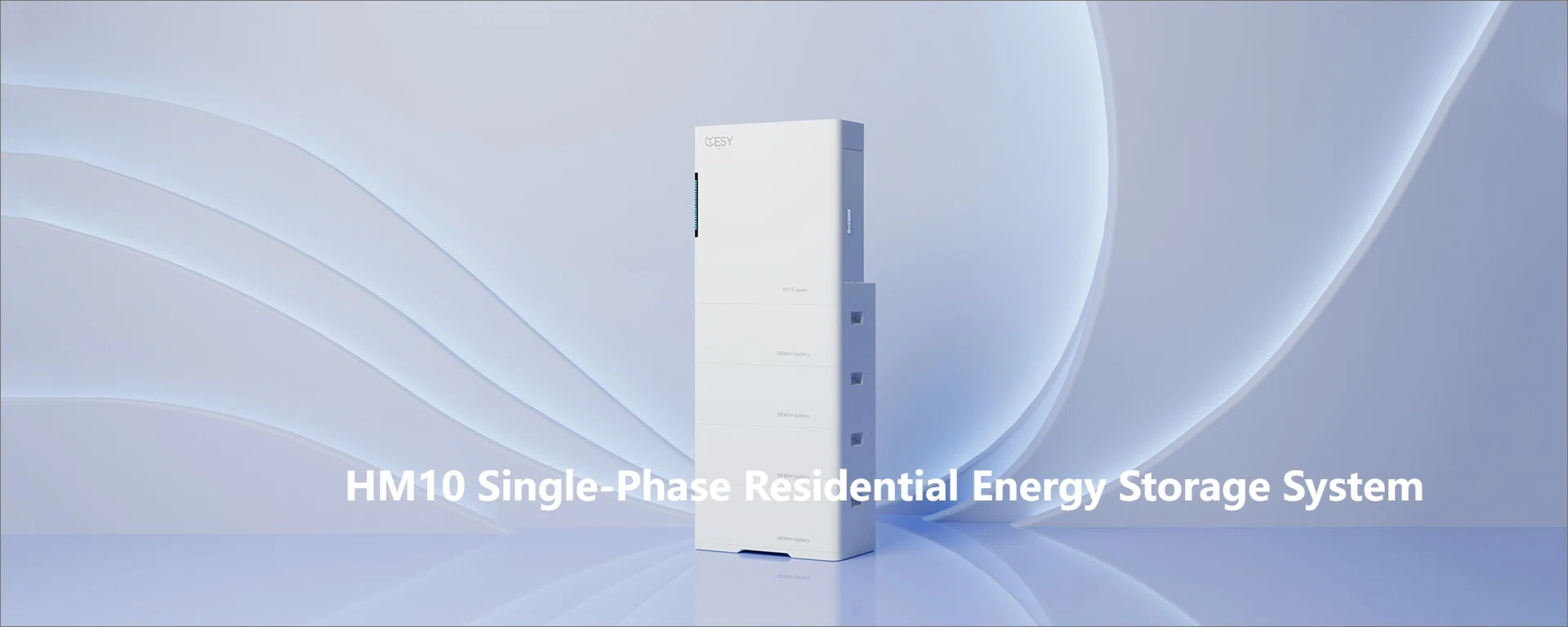
A 10kW hybrid inverter with an 18kW PV input allows a solar system to connect more photovoltaic capacity while keeping AC output limited to 10kW. This 180% DC oversizing ratio helps capture more solar energy during morning, afternoon, winter, and cloudy conditions. The larger PV array improves battery charging availability and increases yearly solar utilization without increasing inverter output power.
A 10kW hybrid inverter paired with an 18kW PV array is designed around the difference between solar generation capacity and inverter output capacity. Solar modules rarely produce their rated power for the entire day because temperature, sunlight angle, weather, and installation direction affect production. A 400W module rated under laboratory conditions may produce significantly less during normal operation.
A larger PV input allows the inverter to receive more available solar power when panel output is below the rated level.
The DC-to-AC ratio in this configuration is 1.8, meaning the PV capacity is 80% higher than the inverter’s AC output rating. For example, an 18kW solar array connected to a 10kW inverter can still deliver only 10kW AC power to household loads or the grid, while the additional PV capacity helps maintain higher production during periods when solar output is reduced.
Solar production changes throughout the day. A 10kW PV system connected to a 10kW inverter may reach maximum output only around midday, while an 18kW PV system can reach the inverter’s 10kW output limit earlier and maintain it longer.
| System design | PV capacity | AC output | DC/AC ratio |
|---|---|---|---|
| Standard sizing | 10kW | 10kW | 1.0 |
| Oversized PV design | 18kW | 10kW | 1.8 |
A 2023 analysis of residential photovoltaic systems showed that DC oversizing ratios between 1.2 and 1.6 are commonly used in many markets, while higher ratios such as 1.8 are selected when users want stronger energy availability during lower sunlight periods. The actual design depends on local solar resources, electricity consumption, and battery size.
The larger PV input also changes how the system works with energy storage. A hybrid inverter manages solar generation, battery charging, household consumption, and grid interaction. When solar generation exceeds household demand, extra power can be stored in the battery instead of being exported.
For a home with a 10kWh battery, an 18kW PV system provides more charging opportunities during short winter days. If solar production is limited to 5kW during certain periods, the larger PV array helps the inverter receive more available DC power compared with a smaller array.
Battery charging speed still depends on battery specifications. For example, if a battery system allows 5kW maximum charging power, connecting additional solar panels will not increase charging beyond that limit. The inverter, battery management system, and PV input specifications must match.
The connection between PV capacity and inverter performance also depends on MPPT design. Modern hybrid inverters often include multiple MPPT channels, allowing separate solar strings to operate independently. This is useful for homes with east-facing and west-facing roof sections.
A typical 18kW PV configuration may use several strings of modules. If each module has a 40V operating voltage, a 10-module string produces around 400V. Installers must calculate open-circuit voltage because cold weather can increase panel voltage by approximately 10% to 15%.
The maximum input current is another important specification. A PV array can have sufficient voltage but still exceed the inverter’s current limit. Proper string planning ensures the inverter operates within manufacturer specifications.
A residential system using an 18kW PV input should consider several technical factors:
-
Maximum DC voltage of the inverter
-
MPPT voltage range
-
Maximum PV input current
-
Solar module electrical parameters
-
Battery charging capacity
-
Household electricity consumption profile
These factors determine whether the additional PV capacity can be fully used.
The purpose of installing more PV capacity is not to increase inverter output power. A 10kW inverter remains limited to 10kW AC output, but the larger solar array improves the number of hours when the inverter operates near its rated level.
For example, a household may consume 3kW in the morning, 8kW during the evening, and require battery charging during the afternoon. A larger PV system provides more energy during the charging window, reducing dependence on grid electricity.
A comparison between different PV sizes shows the difference:
| PV size | Inverter size | Typical application |
|---|---|---|
| 10kW | 10kW | Balanced solar production |
| 15kW | 10kW | Higher annual solar capture |
| 18kW | 10kW | Maximum energy collection with battery storage |
In regions with lower winter sunlight, an oversized PV system can provide more consistent energy availability. A 2024 residential energy modeling study found that increasing PV capacity by 30% to 70% can improve annual self-consumption rates when combined with battery storage, although results vary according to weather patterns and electricity usage.
The financial side of PV oversizing also requires evaluation. Increasing solar panel capacity is often less expensive than installing a larger inverter because the inverter includes power electronics, cooling systems, and additional grid certification requirements.
However, excessive PV oversizing can increase energy clipping. Clipping occurs when solar production exceeds the inverter’s maximum AC output. For example, an 18kW PV array may produce 15kW DC at noon, but a 10kW inverter will limit output to 10kW.
A suitable design balances additional solar production with acceptable clipping levels. Many residential projects accept some midday clipping because the extra panels improve production during non-peak hours.
The system design becomes more important when electricity prices vary by time. In areas with higher evening electricity rates, additional daytime solar generation can charge batteries for later household use.
A modern hybrid inverter such as a 10kW inverter can support residential energy storage applications where solar input, battery capacity, and household loads need coordinated management.
For a typical home installation, an 18kW PV input combined with a 10kW inverter is suitable when the goal is to increase yearly solar collection rather than increase maximum AC power. The design allows the inverter to use more available sunlight across different weather conditions.
An 18kW PV input gives a 10kW hybrid inverter more solar generation capacity to work with, improving energy availability while keeping the AC output within the inverter’s rated limit.
Proper installation requires accurate calculations for PV strings, voltage range, current limits, battery charging capability, and local electrical requirements. When these parameters are matched, the system can provide stable solar generation and better battery charging performance throughout the year.